Can Protein Help IBS Symptoms?
Irritable bowel syndrome, or IBS, can make eating feel complicated. Many people start to wonder whether certain foods are helping their symptoms or making them worse, and protein often becomes part of that conversation. A protein-rich eating pattern may support steadier digestion for some people, but it is only one piece of a much bigger gut health picture.
Why Protein Can Be Easier on the Gut
Compared with many high-carbohydrate or highly processed foods, protein is often relatively simple for the digestive system to handle. It does not contain the same fermentable sugars and fibers that can create excess gas, bloating, or discomfort in sensitive people. For some IBS patients, that means protein foods can feel more settling and predictable than meals centered on trigger-prone ingredients.
That said, protein is not a one-size-fits-all solution. The source of the protein, the way it is prepared, and what it is eaten with all matter. Fried chicken, heavily seasoned meat, or a protein bar packed with sugar alcohols may be far more irritating than a simple grilled fish or scrambled egg.
How a Protein-Rich Diet May Support IBS Symptoms
One reason protein can be helpful is that it may naturally crowd out some common trigger foods. When a plate is built around protein, there is often less room for ultra-processed snacks, large portions of refined carbohydrates, or meals that rely heavily on ingredients known to aggravate IBS symptoms in some people. This can create a more stable pattern of eating that is easier to tolerate and easier to evaluate.
Protein also supports satiety, which can reduce frequent grazing. For some people with IBS, constant snacking makes it harder to identify which foods are causing symptoms. A more balanced meal pattern can make the gut feel calmer and provide better feedback about which foods are truly helpful.
Another benefit is blood sugar stability. Although IBS is not a blood sugar disorder, swings in energy and appetite can lead to rushed meals, stress eating, or poor food choices that may indirectly worsen symptoms. Protein helps anchor meals in a way that can support more consistent habits.
Gut-Friendly Protein Foods to Consider for IBS Symptoms
If you are trying to support digestion while easing IBS symptoms, the quality of the protein source matters. Many people do best with foods that are minimally processed, simply prepared, and paired with gentle sides. The goal is not to eat more protein at any cost, but to choose options that are nourishing and easier to tolerate.
Common protein foods that may fit a gut-supportive plan
- Eggs, especially scrambled, poached, or soft-boiled
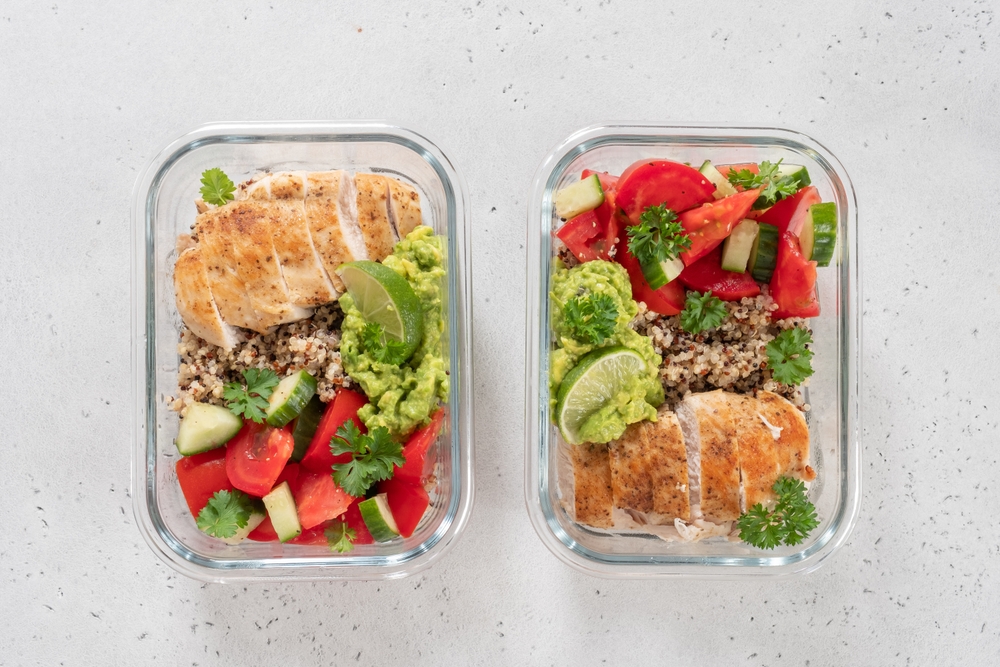
- Chicken or turkey prepared simply, without heavy sauces
- Fish such as salmon, cod, or tuna
- Lean beef in moderate portions if tolerated
- Plain Greek yogurt or lactose-free yogurt for those who tolerate dairy
- Cottage cheese or kefir in appropriate portions
- Tofu or tempeh for people who do well with soy
- Nut butters in small amounts, if tolerated
Plant-based protein can be helpful, but it can also be harder on the gut for some people. Beans, lentils, and some protein powders may contain fibers or additives that trigger gas and bloating. If you are sensitive, it is often better to introduce these foods slowly and track your response carefully.
Other Strategies an Integrative Provider May Use
An integrative provider like Dr. Schmutz may look beyond food alone to identify what is driving symptoms. That can include a careful review of your diet, bowel patterns, stress levels, sleep quality, medication history, and past digestive infections or antibiotic use. The goal is to understand the root contributors rather than only suppressing symptoms.
Depending on your needs, an integrative gut plan may include targeted testing, nutrition changes, stress support, and stepwise treatment recommendations. Some patients benefit from a low-FODMAP trial, while others need help identifying food intolerances, digestive enzyme concerns, or bacterial overgrowth patterns. The right plan depends on the person, not just the diagnosis.
The Role of the Gut-Brain Connection
IBS is closely tied to how the brain and gut communicate. Stress can change digestion, alter bowel patterns, and heighten sensitivity in the intestines. This is one reason why a person can eat the same food on two different days and have very different reactions.
Because of this connection, an IBS plan should not focus only on food labels and macros. Breathing exercises, nervous system support, sleep improvements, and realistic lifestyle changes can all contribute to better symptom control. When the body feels safer, digestion often becomes more predictable.
Building a More Tolerable Plate
If you are experimenting with protein for IBS, think in terms of comfort and consistency. A meal built around a simple protein, a well-tolerated cooked vegetable, and a gentle starch may be easier to digest than a highly processed or heavily seasoned meal. Cooking methods often matter just as much as food choice.
For example, baked salmon with rice and zucchini may be far more soothing than a restaurant meal with rich sauces and fried sides. Similarly, eggs with sourdough toast may be simpler to tolerate than a breakfast burrito loaded with onions, peppers, and cheese. Small adjustments like these can make a meaningful difference.
Get Started with Integrative Gut Care in Salt Lake City
If IBS symptoms have made eating feel unpredictable, you do not have to figure it out alone. A protein-rich diet may be one useful part of the solution, but lasting relief usually comes from a more personalized plan that addresses your symptoms, triggers, and digestive health as a whole. Integrative care can help you move beyond trial and error and toward a plan that feels realistic.
At Integrative Medica in Salt Lake City, Dr. Schmutz and the team take a comprehensive approach to gut health support. If you are ready to explore a plan tailored to your body and your goals,
get started with integrative gut care today.